
Key Takeaways
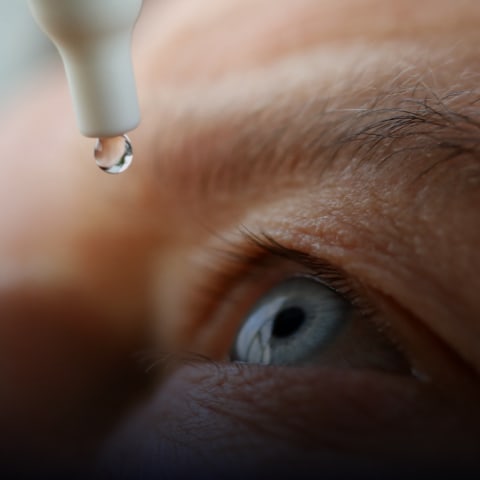
- Dry eye symptoms vary, and different drops target different causes.
- Thin, watery drops help with low tear production, whereas oil-based drops help with fast evaporation.
- Gels and ointments work well overnight for longer-lasting relief.
- Preservative-free drops are gentler if you use them more than 4 times a day.
- Redness relief drops don’t treat dry eye and can make things worse over time.
- Persistent symptoms are worth a conversation with an eye doctor.
Your eyes feel scratchy, tired, or like something is stuck in them. You blink a few times, and it helps for a moment, but the irritation comes right back. If that sounds familiar, you may be dealing with dry eye, and you’ve probably already found yourself standing in the pharmacy aisle, wondering which of the many bottles will actually help.
Our team sees this question from patients regularly, and the answer isn’t one-size-fits-all. Learning about the causes and types of dry eye can help you make a more informed choice at the pharmacy.
The right eye drop depends on what’s contributing to your dry eye in the first place, and choosing the wrong type can leave your symptoms just as uncomfortable as before. Here’s a clear breakdown of what’s on the shelf, what each option does, and what to skip entirely.
Common Signs of Dry Eye
Before reaching for any drop, it helps to know what dry eye actually feels like. Symptoms can show up differently from person to person, but some of the most common ones include:
- Stinging, burning, or a gritty sensation in your eyes
- Redness, irritation, or periods of blurry vision
- Watery eyes as your body’s response to dryness
That last one surprises a lot of people. Watery eyes can actually be a dry eye symptom. When your eyes get too dry, your body floods them with reflex tears, but those tears don’t have the right balance to properly coat and protect the eye surface. Dry eye can also contribute to headaches and general discomfort that goes beyond just your eyes, so it’s worth paying attention to the full picture of how you’re feeling.
The Main Types of Eye Drops for Dry Eye
Drops for Low Tear Production
If your eyes simply don’t make enough tears, a thin, watery artificial tear is usually a good starting point. These drops rewet the eye surface quickly and are easy to use throughout the day. They’re widely available without a prescription and tend to work well for mild, occasional dryness.
Drops for Fast Tear Evaporation
Sometimes your eyes produce enough tears, but those tears evaporate too quickly. This often happens when the oily outer layer of your tear film isn’t doing its job. Meibomian gland dysfunction is commonly associated with a breakdown of that oily layer, and oil-based drops can help slow that evaporation and support the oily layer so your tears actually stay on the eye longer. These are a different product from standard artificial tears, so check the label carefully before you buy.
Gels and Ointments
Gels and ointments are thicker than regular drops, which means they stay on the eye surface longer. That extra staying power makes them a good fit for nighttime use. Applying them before bed can help support your eyes while you sleep, especially if you wake up with dry, uncomfortable eyes in the morning. Because they can blur your vision temporarily, they’re not ideal for daytime use.
Preservative vs. Preservative-Free Drops
Drops with Preservatives
Many eye drops contain preservatives to extend shelf life once the bottle is opened. For occasional use, these are generally fine. If you only need drops once or twice a day, a preserved formula works without issue for most people. It’s also worth keeping in mind that eye drops do expire, so always check the date before using any bottle you’ve had sitting around for a while.
Preservative-Free Options
If your symptoms have you reaching for drops more than 4 times a day, preservative-free drops are worth considering. Frequent exposure to preservatives can irritate the eye surface over time, especially for people with sensitive eyes. Preservative-free drops typically come in single-use vials and are a gentler option for regular, long-term use.
What to Avoid in the Eye Drop Aisle
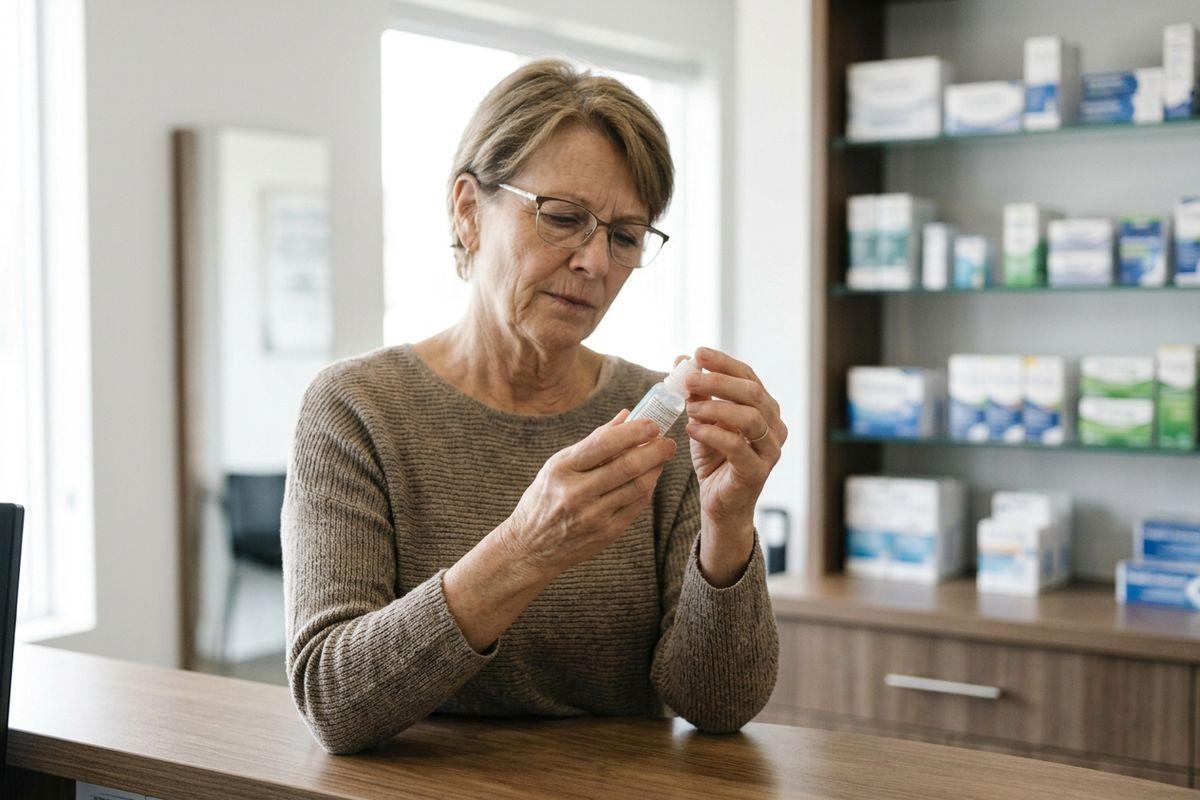
One of the most common mistakes people make is grabbing redness relief drops for dry eye symptoms. Those drops are designed to constrict blood vessels to make your eyes look less red. They don’t address dryness at all, and with repeated use, they can actually make redness worse once the effect wears off. A few things to keep in mind:
- Redness relief drops don’t treat dry eye symptoms
- Vasoconstrictors in those drops can increase redness over time with frequent use
- Always read the label before choosing a drop, and look for products specifically labelled for dry eye or artificial tears
If over-the-counter drops aren’t cutting it, there are in-office treatments like intense pulsed light (IPL) therapy that can address the root of dry eye rather than just managing surface symptoms.
When to See an Eye Doctor
Over-the-counter drops can offer real relief for mild dry eye. But if your symptoms keep coming back, get worse, or don’t respond to drops, that’s a sign something more is going on. An eye doctor can look at what’s actually driving your dry eye and personalize a care plan based on your eyes specifically, not just a general shelf option.
Whether you’re looking for an eye doctor in Calgary, Olds, Sundre, or Carstairs, we take the time to get to know your eyes and give you answers that actually make sense for your situation. Book an appointment today and get the clarity your eyes deserve.