
Key Takeaways
- MacuMira is a noninvasive, Health Canada-authorized device used for dry age-related macular degeneration (AMD).
- It works alongside regular monitoring rather than replacing it.
- People diagnosed with early to intermediate dry AMD are often considered.
- Wet AMD and certain other conditions need review first.
- A complete eye exam with retinal imaging helps decide if you qualify.
- Sessions last around 30 minutes with no injections or downtime.
The words in your book start to smudge in the middle of the page. You turn on a second lamp to thread a needle. A familiar face across the room takes a moment longer to place. These small moments are often what bring people in to ask about dry age-related macular degeneration (AMD) and what can be done about it at Bonavista Eyecare, Olds Eyecare, Carstairs Eyecare and Sundre Eyecare.
People diagnosed with early to intermediate dry AMD who want to look beyond monitoring alone are often the ones considered for MacuMira treatment, and eligibility is confirmed through a complete eye exam.
What Is MacuMira?
MacuMira is a noninvasive option for dry age-related macular degeneration (AMD), and it’s been authorized for use in Canada by Health Canada as a Class II device (low-risk).
It’s used alongside regular monitoring of your eyes, not as a replacement for it. Your appointments and imaging still guide the plan, and treatment fits into that picture rather than standing apart from it.
How Dry AMD Affects Central Vision
Dry AMD affects your central vision, the part you rely on to read a recipe, recognize a grandchild’s face, or check your mirrors on Highway 2. Changes often come on slowly, so you may adjust without noticing right away.
Signs to Watch For
A few changes tend to show up early, and they’re worth mentioning at your next appointment:
- Blurry or distorted vision in the centre of what you’re looking at
- Straight lines, like door frames or window blinds, appearing wavy
- Needing more light than usual for close work
Who Faces Higher Risk
Risk tends to be higher after age 50, and family history and smoking both play a part. An eye exam gives you a chance to review your personal risk factors with an optometrist, so you know what applies to you rather than guessing.
Who May Be a Good Fit for MacuMira
Common Candidate Traits
Many people who ask about MacuMira already have a diagnosis of dry AMD. Early to intermediate stages are typically where the conversation starts.
You may also be a fit if you’d rather do something more than watch and wait between appointments.
When It May Not Suit You
Wet macular degeneration is a different situation and calls for a different approach. Other eye conditions and general health concerns also need to be reviewed before anything is planned.
How Eligibility Gets Decided
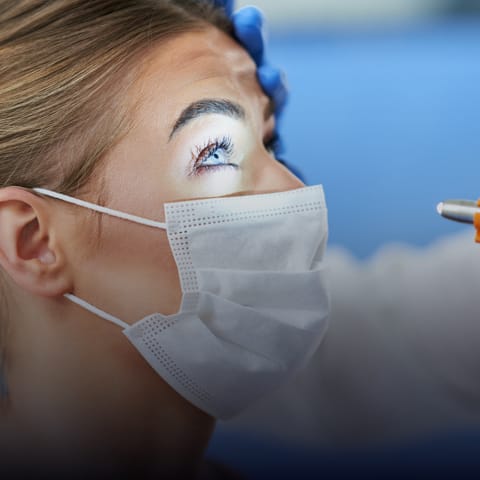
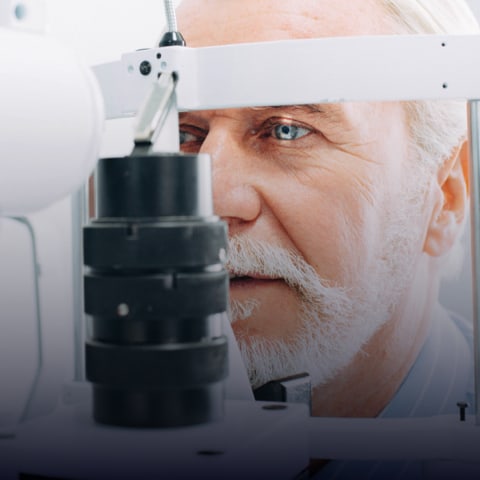
Eligibility comes from a complete eye exam paired with retinal imaging, which gives your optometrist a detailed look at the back of your eye. From there, you can talk through any past treatments and your overall health to determine whether MacuMira may be appropriate for you.
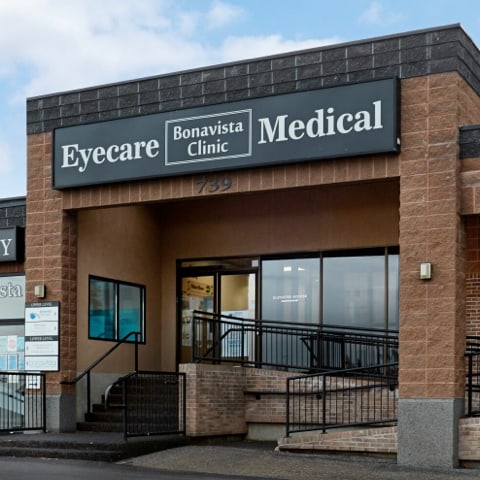
MacuMira treatment is currently offered at our Bonavista and Olds locations. However, eligibility can be assessed at all four of our clinics, including Carstairs and Sundre. If you are seen at one of our Carstairs or Sundre locations and may be a candidate, our team can help guide you through the next steps.

What Happens During a MacuMira Session
If you are wondering what to expect during a MacuMira session for dry AMD, the entire experience is designed with your comfort and peace of mind in mind. MacuMira offers a completely noninvasive approach performed without injections or surgery. Before your visit, preparation is simple and focused on comfort. Patients are strongly advised to stay well hydrated and drink plenty of water on the day of their appointment, and no pupil dilation is needed.
During the session, we apply ultrasound gel to your closed eyelids before gently placing the device, which resembles an old-school VR headset, over your head and eyes. The device then delivers gentle microcurrents across your closed eyelids to stimulate retinal pigment epithelium (RPE) cells and enhance mitochondrial ATP formation, helping clear drusen and macular waste by-products.
The primary goal of this therapy is disease stabilization and preventing further progression, though some patients also report secondary benefits like improved performance in daily tasks such as reading. Each treatment takes 32 minutes (though you can expect to be in the office for about an hour), structured over 4 sessions across 10 days followed by maintenance treatments every 10 to 12 weeks. Best of all, there is zero downtime, and your vision is not affected afterward, allowing you to return to your normal routine immediately.
Daily Habits That Support Your Eyes
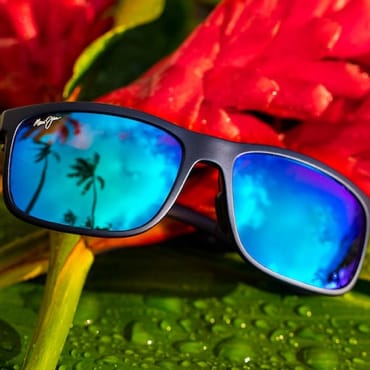
Leafy greens like spinach and kale as part of balanced meals give your eyes something to work with. Sunglasses help shield your eyes from UV light on bright Alberta afternoons, whether you’re walking the dog or watching a ball game.
If you smoke, quitting is one of the more meaningful changes you can make for your macular health.
Come See Us
Regular exams let your optometrist track changes over time and catch shifts you might not feel yet. Whether you’re looking for an eye doctor in Calgary, Olds, Sundre, or Carstairs, keeping those appointments on the calendar keeps your vision under watch.
Our teams at Bonavista Eyecare, Olds Eyecare, Carstairs Eyecare and Sundre Eyecare take time to answer your questions and explain what the imaging shows in plain language. Book an appointment to talk about dry AMD and whether MacuMira fits your situation.